Bilingual Turkish children's book seriesWhen the roots run deep, the branch reaches free.
Five picture books from Anatolia, for children growing up somewhere else. A girl sits at her nan’s loom. A boy steps onto a wrestling meadow. Four hundred wild horses cross a marsh. Each title arrives as two separate volumes: English for the classroom desk, Turkish for the kitchen table. Born on a Sydney evening when my eight-year-old son asked where his book was.
From Kati Thanda to Mount Hasan:
A Sydney Kitchen Table
A Sydney Kitchen Table & Kati Thanda
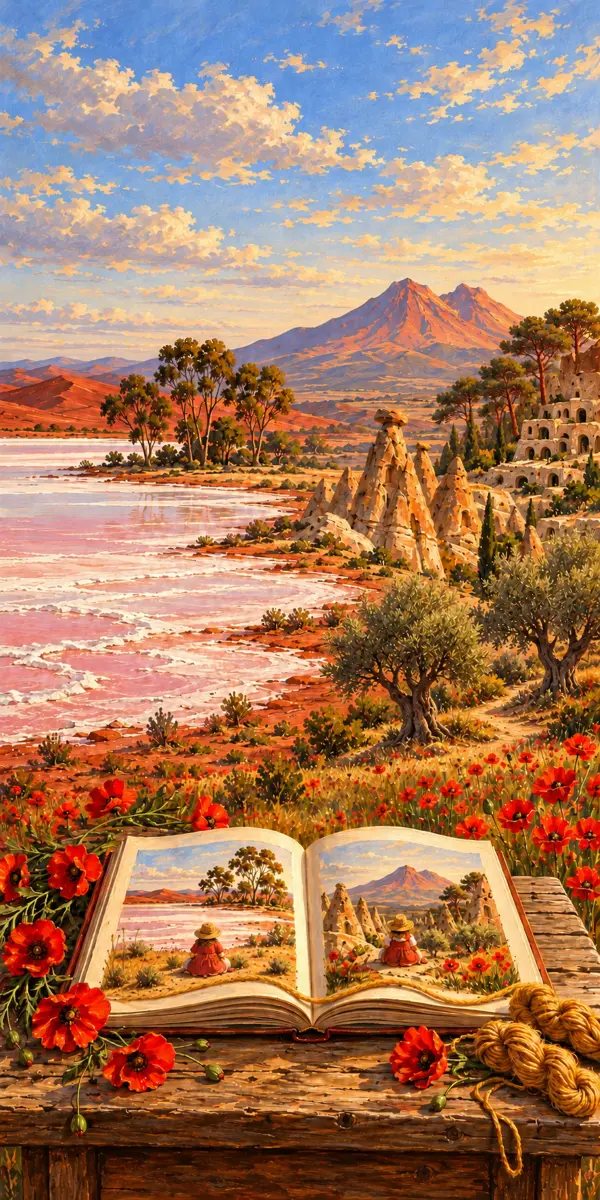
My son is eight. He goes to a public school in Sydney. One afternoon he took a picture book out of his backpack: Kati Thanda, Lake Eyre. We read it at the kitchen table. It was quiet. It did not hurry, and it trusted an eight-year-old completely.
When we closed the back cover he looked at me: “Dad, where is our book?” The room went still. I had no answer. Our roots were thousands of kilometres away, in Anatolia, and there was not one book on his shelf that sounded like the place we came from. I started the series that night.
We speak Turkish at home. A word is not the same as knowing how a nan’s hands move across an upright loom. I wanted a book that shows him.
✦ First Nations Storytelling Acknowledgement:
Australian First Nations picture books started this. They showed how a book can respect land, memory and a child’s eye level.
Kati Thanda (Lake Eyre) ➔ Hasan Dağı
Sydney · London · New York · Toronto
Plenty of families raising children far from Turkey, in Sydney, London, New York and Toronto, know this question.
“I picture him putting the book in his backpack for show-and-tell. He opens it. He does not have to explain anything to anyone.”
The Wild Poppy (Papaver rhoeas)
On the Anatolian steppe, the wild poppy does not fight the wind; it bends with it and never breaks, blooming patiently in the narrowest cracks between stone. The poppy on our emblem represents our children growing far from home: resilient, graceful, and unbroken, rooted in the living memory of Anatolia.
Share This Origin Story
Intergenerational Heritage Sharing
The family in the first book
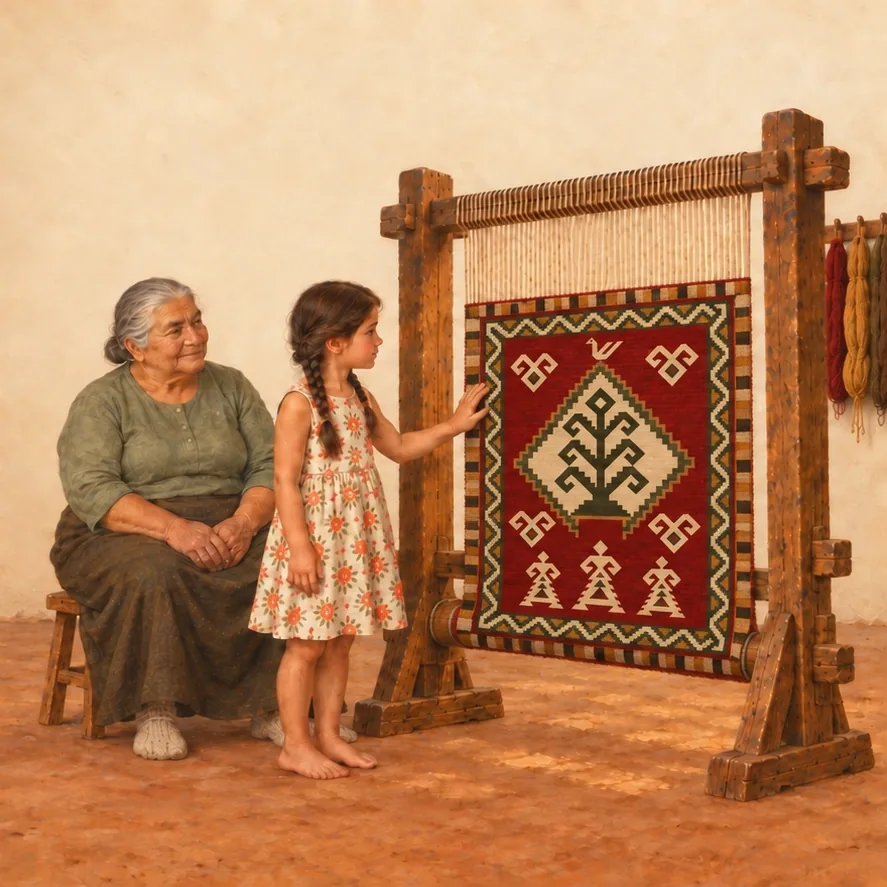
Three generations, one loom
“A kilim is woven by three generations: one begins, one builds the bridge, and one completes it.”
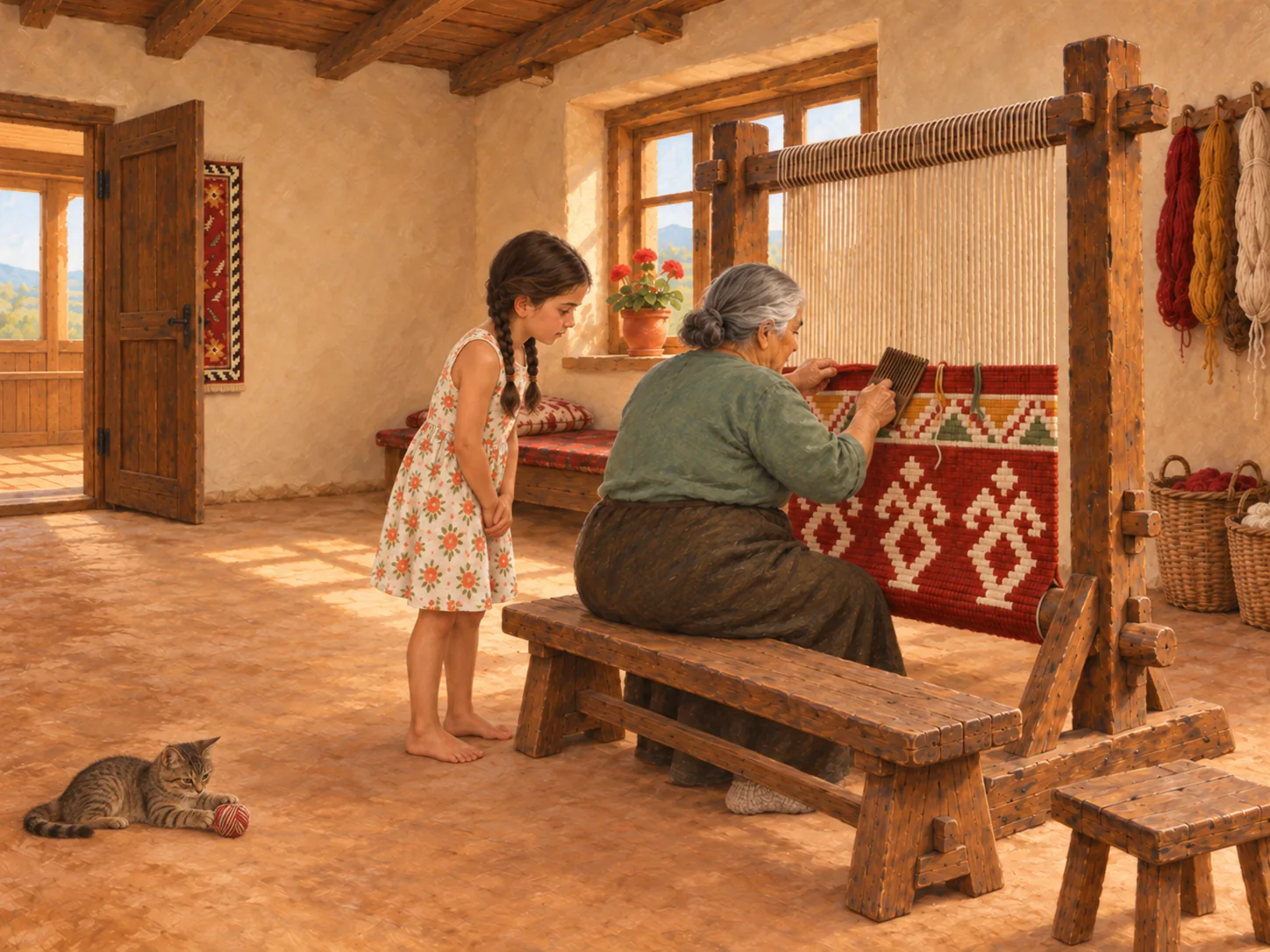
Nobody lectures Elif. In the courtyard is the wool sheared by Pop, in the kitchen Mum’s warm tea, at the loom Nan’s quiet patience, and in Elif’s hand a wooden comb.
3rd Generation · Branch
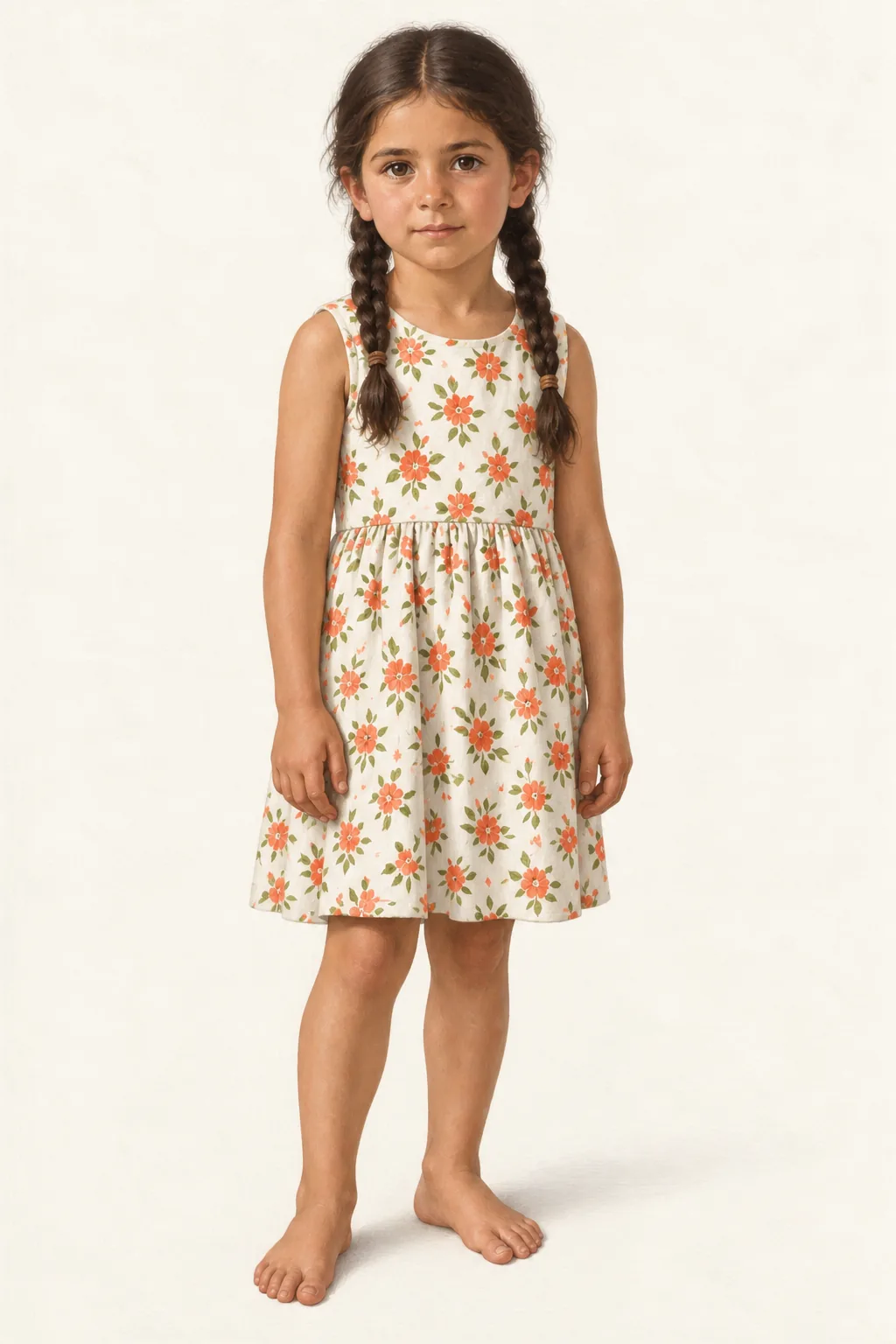
Elif
Melbourne
Elif is eight. She was born in Australia and does not speak her nan’s language. At the loom she learns another way to listen. She pulls a thread wrong. Nan smiles.
“Over. Under. Pull. With every strike of the comb, I found my own rhythm.”
2nd Generation · Trunk
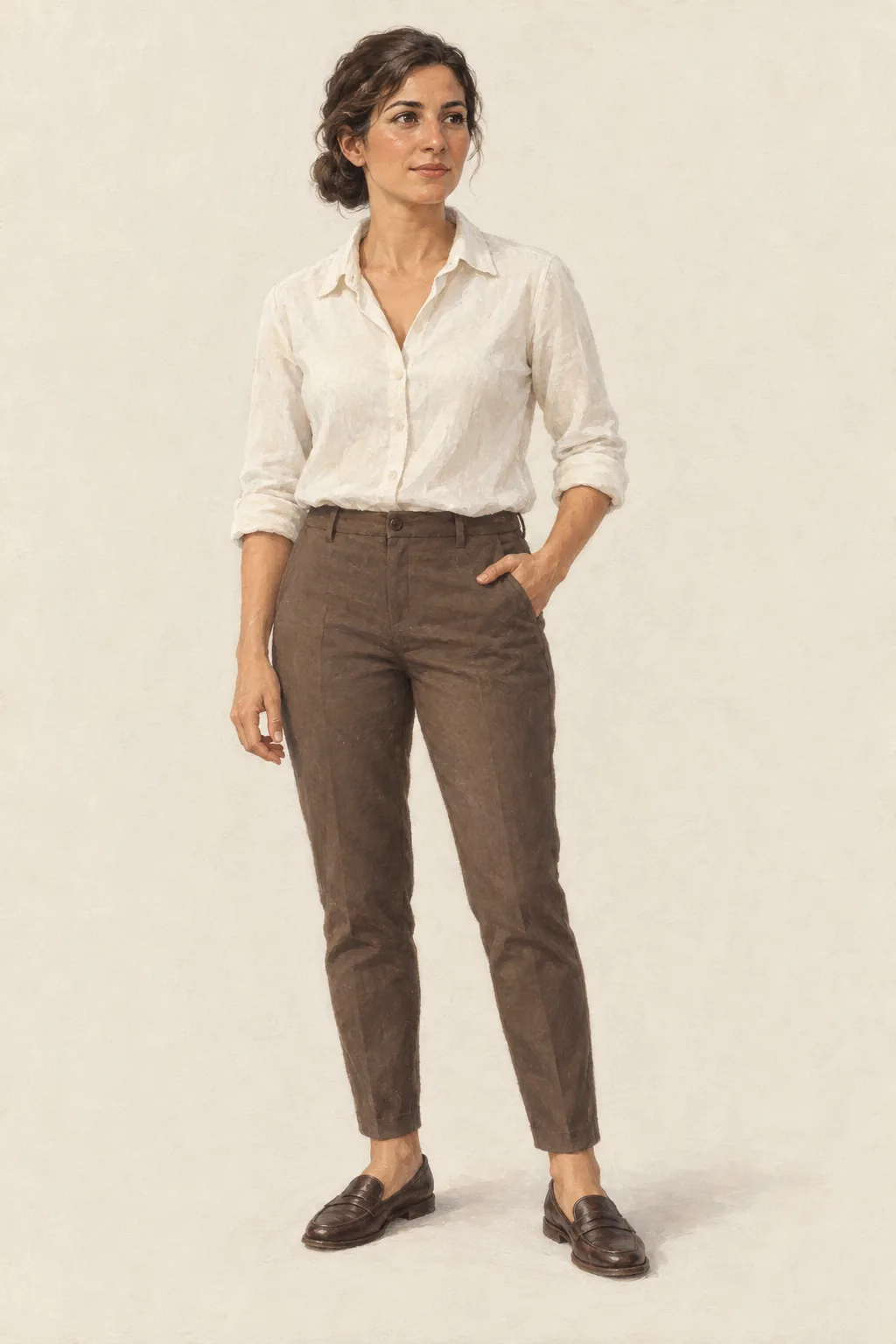
Mum
Australia and the Village
An urban mother; apron on, flour on wrists, biscuits before bread—balancing contemporary pace with quiet village grounding.
“Slowly,” said Mum. Nan didn’t say slowly.
1st Generation · Root
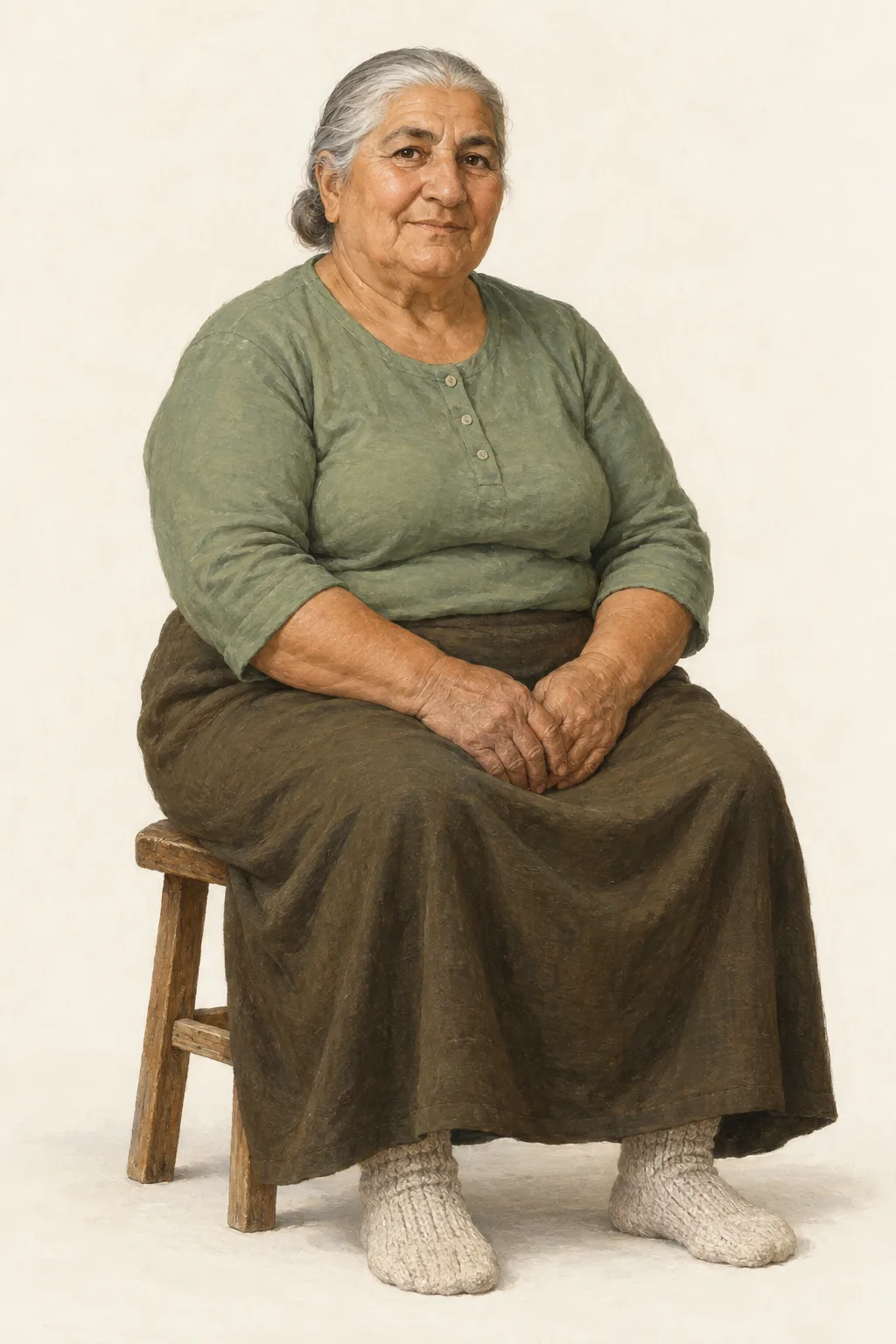
Nan
Mount Hasan Foothills
Nan has woven for fifty years. She does not lecture Elif. When a thread goes wrong, she waits in stillness, letting time and active patience breathe.
“When the roots run deep, the branch reaches free.”
1st Generation · Anchor
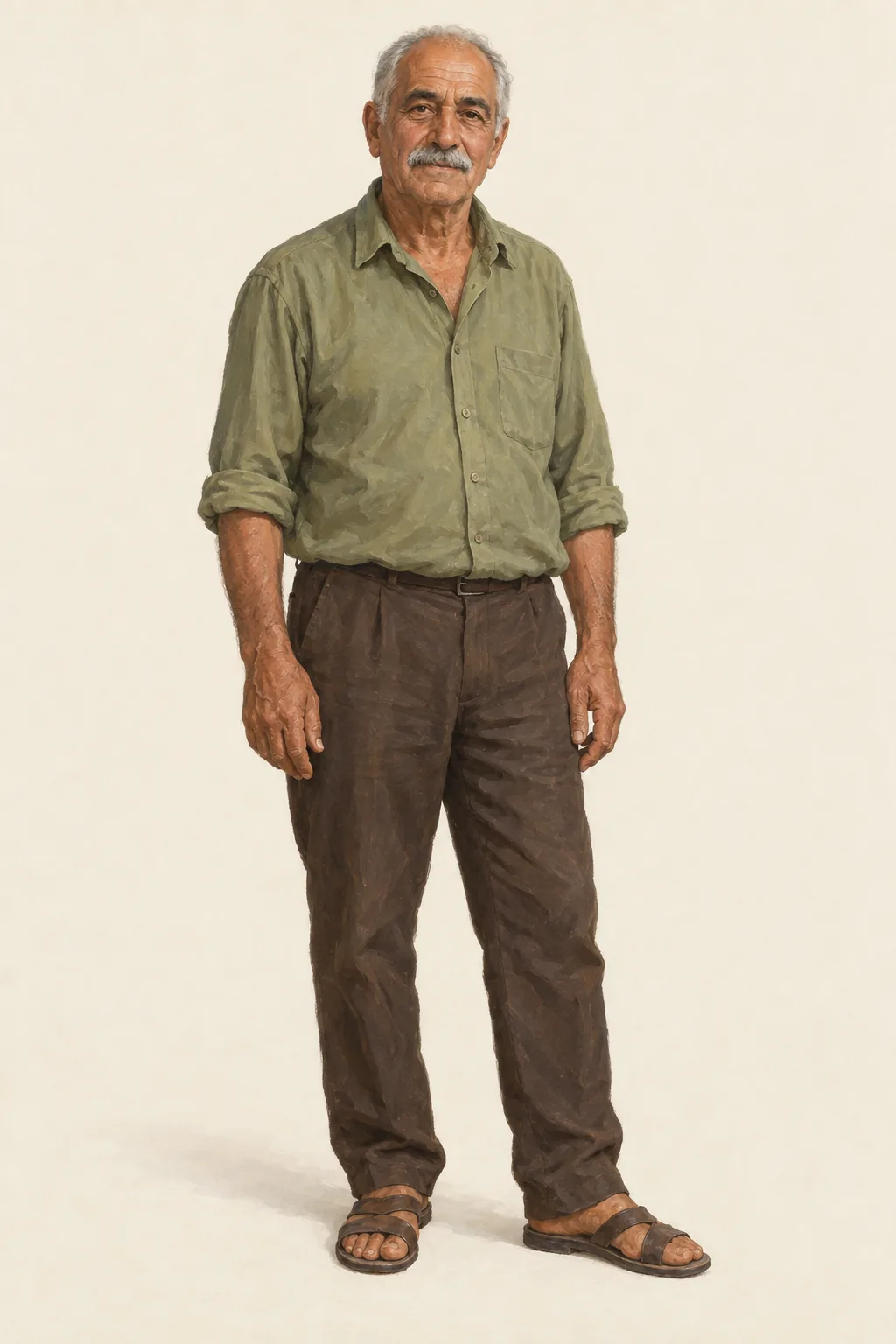
Pop
Courtyard & Hearth
The quiet, steadfast bedrock of the Anatolian home. Shearing the first sheep at dawn, bringing the scent of wool to the table; understated yet essential presence.
“Pop had sheared the first sheep before the sun cleared the wall.”
A Village House in the Mount Hasan Foothills
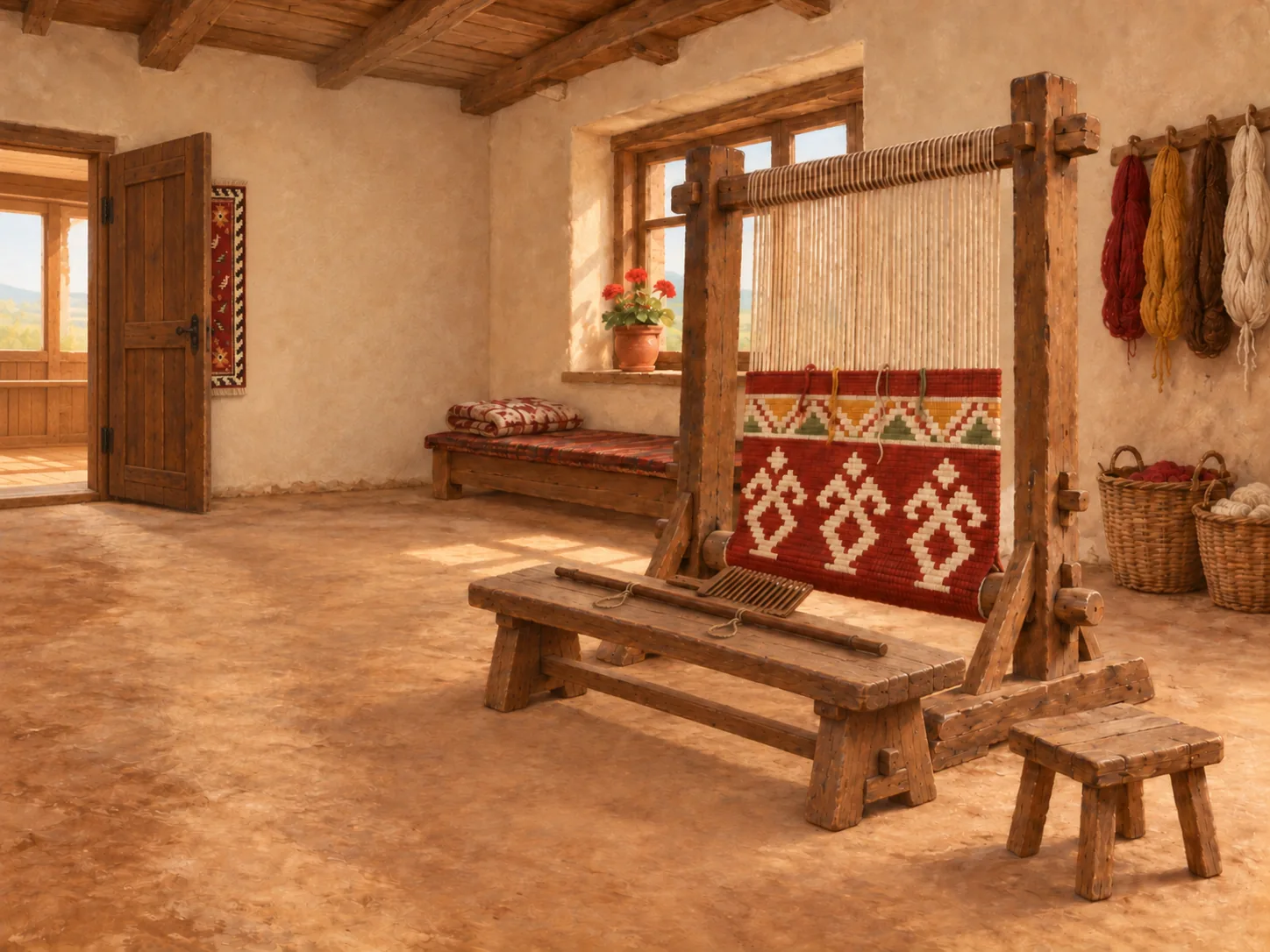
The Weaving Room
Light comes in through small openings in the stone. Skeins of dyed wool hang from cedar beams. The wooden beater clacks against the warp: tok, tok, tok. Three generations sit in this room and mostly say nothing.
Knots
What the knots say
For centuries Anatolian women wove grief, love and endurance into kilims as symbols. A flaw in the weave stays in the weave.
FIVE MOTIFSIntergenerational Meaning Atlas
Hands-on-HipsMotherhood, vitality & abundance
Ram’s HornInner strength & dignity
Running WaterTime, cleansing & continuity
Tree of LifeAncestors, roots & memory
StarHope, guidance & renewal
“The loom was silent, yet it was not empty.
The warp threads stood taut, holding their breath.”
Inside the story
ONE WORD AT DAWN · TODAY’S STITCH
Today’s Stitch
Each morning we post one short excerpt, one word and one question to ask at the table. It goes out on WhatsApp and Instagram.
Loyalty of Heart (Vefa)📍 Safranbolu Houses & Coppersmith
✦ Deep Winter & Snow · Hearthside·Cycle 2
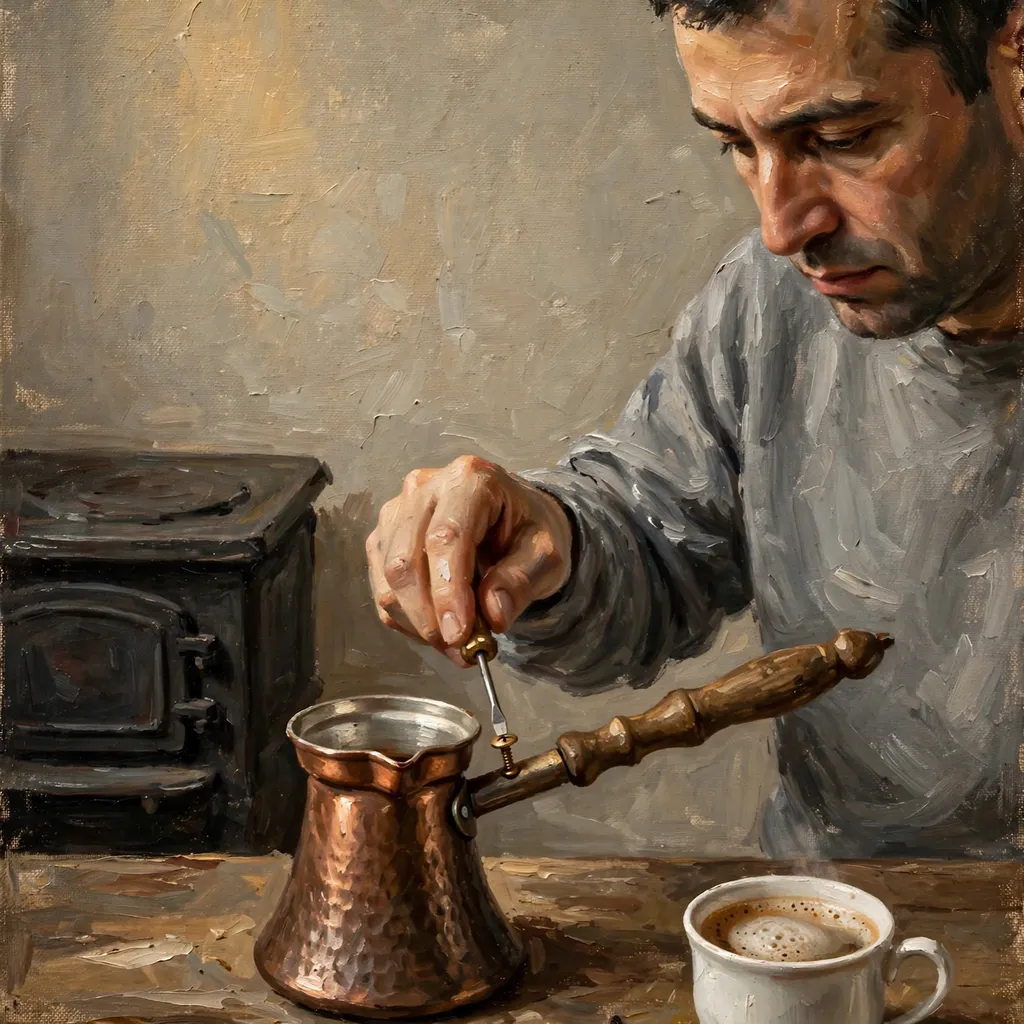
Tightening the Cezve
The old copper cezve's wooden handle wobbled.
Dad tightened the brass screw with a small screwdriver.
He poured the frothy coffee without spilling a drop.
He set the cezve down; the handle no longer moved.
🪵Hammered Copper Cezve & Small ScrewdriverThe Stories of Anatolia
💭 Kitchen Table Inquiry: Who made coffee in this cezve before you?
or
Virtues of the Steppe · Virtue Is Never Preached, It Is Witnessed
The Patience of the Root, the Poise of the Branch,
The Child’s Philosophical Wonder.
On the steppe, nothing rushes. The seed in the rock cleft bides its time until rain. In these books, a child is never given a lecture or a moral rule to memorize. Patience, quiet craft, and generous solidarity are lived through the story itself. The child hears no sermon; they witness the memory of the soil and ask their own questions at the kitchen table.
The 3 Philosophical Pillars of the Series
Pillar 01
Invisible Pedagogy (Heart of the Story)
“The child follows the story, never the lesson.”
Books that preach direct moral lessons are quickly forgotten. Virtue is never lectured; it is the organic key that resolves the narrative struggle. When a child closes the book, they don’t say “I was taught something”; they say “Read it again.”
The narrative avoids dogmatic conclusions. Moments of quiet stillness, character dilemmas, and conscious choices spark deep, reflective dialogue at the kitchen table and in the classroom.
Pillar 03
A Natural Bridge to the Classroom
“From the family kitchen table to the school library shelf.”
Supports cultural memory and ethical reasoning aligned with the Australian Curriculum (ACARA V9), sitting as comfortably on a school library shelf as it does on the family breakfast table.
The 6 Ancient Virtues
Living Values Woven into Stories
01 · Patience & Labour📍 Mount Hasan Foothills & Taşpınar Weavers
✦ Patience: There Is No Haste on the SteppeACARA: CCT & SC
Active Patience: The Quiet Dignity of Natural Time
On the Anatolian steppe, wild buckthorn does not yield its yellow dye in a single day; the warp on the loom does not turn into cloth overnight. The child is never told to “be patient”; rather, they witness how a rushed pull knots the thread, while the master weaver who waits preserves the motif. Patience is never passive waiting; it is active trust in honest craft and ripening time.
“The weaving comb strikes the warp: tok, tok, tok.”
Kitchen Table Inquiry
“Why does anything true and enduring require unhurried time and silent labour?”
✦ The Meadow of Honour: An Ancient Code & Unspoken PoiseACARA: EU & CCT
The Meadow of Honour: True Strength Is Lifting Up the Fallen
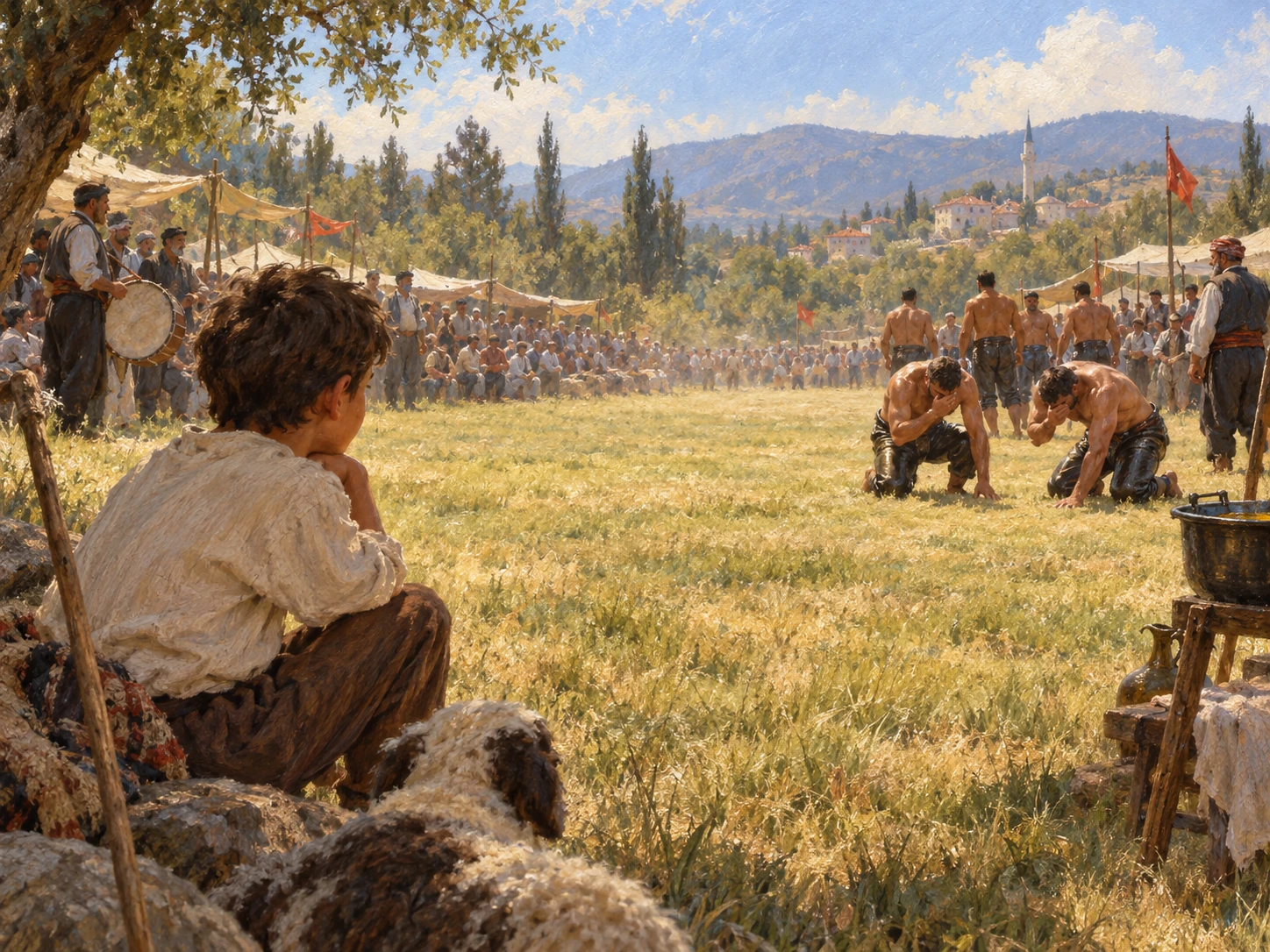
In the ancient wrestling meadows of the Taurus heights, strength is never measured by throwing a rival to the ground. The craftsman who tailors the leather breeches and the wrestler who extends a hand to the fallen opponent live by the same ancient code: true strength is not bringing someone down, but lifting them back up. The Anatolian master boasts of nothing; the quiet durability and humility of the work speaks for itself.
“On the grass at Elmalı, a wrestler takes his fallen rival by the hand and pulls him to his feet.”
Kitchen Table Inquiry
“Is true strength found in throwing someone down, or in lifting them back to their feet?”
✦ Sacred Trust: Reverence Rather Than PossessionACARA: EU & HASS
Sacred Trust: Custodians of Nature, Never Its Masters
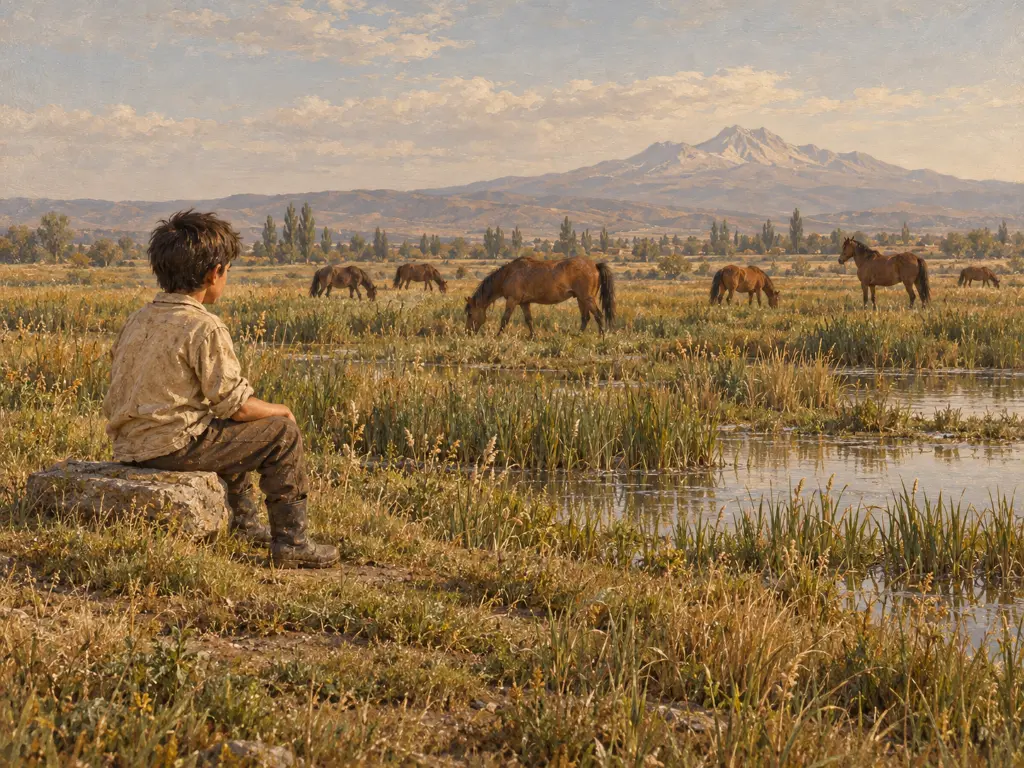
The four hundred wild horses running free across the wetlands beneath Mount Erciyes belong to no master. When the coarse halter rope burns the boy’s palm, he discovers that genuine love does not mean possession. We are not rulers of the living earth; we are its temporary custodians, entrusted with its freedom.
“The halter rope burns his hand. He lets it go, running alongside the herd to feel their wind against his chest.”
Kitchen Table Inquiry
“Does loving another living being mean possessing them, or honouring their freedom?”
04 · Mutual Aid & Solidarity📍 Black Sea Coast & Sinop Harbour
✦ Mutual Aid: The Art of Lightening the Burden TogetherACARA: IU & PSC
Mutual Aid: Communal Labour Without Scorekeeping
In a Black Sea gale, a solitary pair of oars cannot turn the fishing boat. Along the snowbound alleys of Sinop, the illuminated wooden boat carried from hearth to hearth is sustained not by a single voice, but by a collective chorus. Mutual aid is never a chore or a transaction; it is people standing shoulder to shoulder, sharing the weight without keeping count.
“A quiet hand slides a wooden crate beneath his feet. The boat rises on the neighborhood’s shared breath.”
Kitchen Table Inquiry
“What kind of community do we become when we join hands without keeping score or calculating shares?”
05 · Fidelity & Devotion📍 Lake Uluabat & Eskikaraağaç Village
✦ Fidelity: Quiet Friendship Unshaken by Passing TimeACARA: EU & PSC
Fidelity: The Unwritten, Unbroken Bond of Heart
Across fifteen springs on Lake Uluabat, Adem the fisherman and Yaren the wild stork reunite on the very same wooden boat. Between them lies neither a contract nor a cage. In his grandfather’s boat, young Deniz learns the power of an unspoken covenant that flows from heart to heart, unaffected by distance or the passage of time.
“For fifteen springs, the wooden boat waits in the quiet reeds.”
Kitchen Table Inquiry
“Must two beings speak the same words to be friends? How is loyalty cultivated in silence?”
✦ Contentment: Sacred Restraint & Reverence for the EarthACARA: EU & SC
Contentment: The Quiet Grace of Having Enough
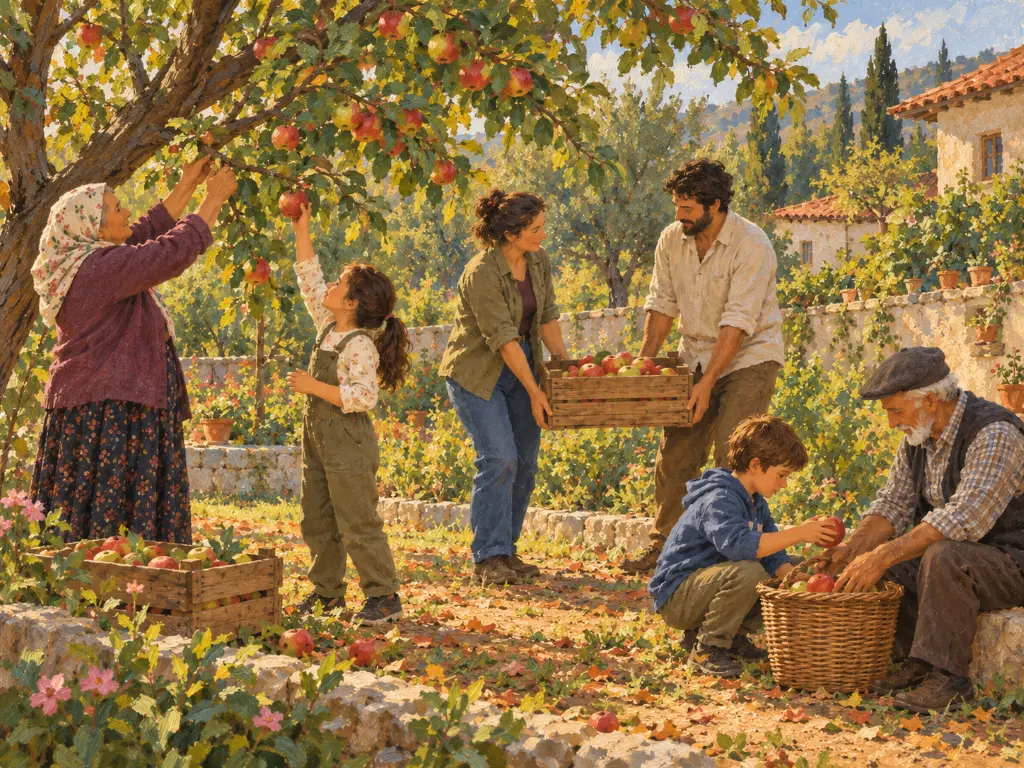
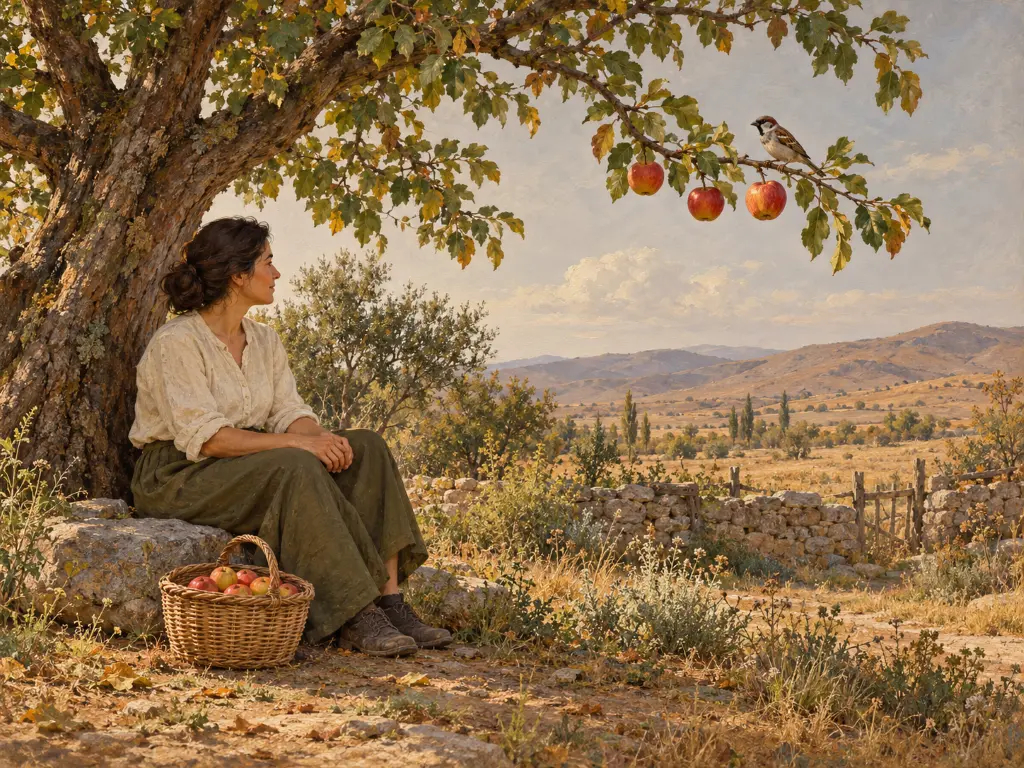
In traditional orchards across Anatolia, the last three figs on the bough are never picked. They belong to the winter sparrows and passing travellers. Contentment is not going without; it is the quiet ease of knowing when you have enough. Those who respect what the soil gives walk lightly.
“The highest bough is left for the sparrow. Once the basket is full, hands rest in quiet gratitude.”
Kitchen Table Inquiry
“Does possessing more than we need truly enrich us, or does it weigh us down?”
Active Patience: The Quiet Dignity of Natural Time
On the Anatolian steppe, wild buckthorn does not yield its yellow dye in a single day; the warp on the loom does not turn into cloth overnight. The child is never told to “be patient”; rather, they witness how a rushed pull knots the thread, while the master weaver who waits preserves the motif. Patience is never passive waiting; it is active trust in honest craft and ripening time.
The weaving comb strikes the warp: tok, tok, tok.
“Why does anything true and enduring require unhurried time and silent labour?”
The Meadow of Honour: True Strength Is Lifting Up the Fallen
In the ancient wrestling meadows of the Taurus heights, strength is never measured by throwing a rival to the ground. The craftsman who tailors the leather breeches and the wrestler who extends a hand to the fallen opponent live by the same ancient code: true strength is not bringing someone down, but lifting them back up. The Anatolian master boasts of nothing; the quiet durability and humility of the work speaks for itself.
On the grass at Elmalı, a wrestler takes his fallen rival by the hand and pulls him to his feet.
“Is true strength found in throwing someone down, or in lifting them back to their feet?”
Sacred Trust: Custodians of Nature, Never Its Masters
The four hundred wild horses running free across the wetlands beneath Mount Erciyes belong to no master. When the coarse halter rope burns the boy’s palm, he discovers that genuine love does not mean possession. We are not rulers of the living earth; we are its temporary custodians, entrusted with its freedom.
The halter rope burns his hand. He lets it go, running alongside the herd to feel their wind against his chest.
“Does loving another living being mean possessing them, or honouring their freedom?”
Mutual Aid: Communal Labour Without Scorekeeping
In a Black Sea gale, a solitary pair of oars cannot turn the fishing boat. Along the snowbound alleys of Sinop, the illuminated wooden boat carried from hearth to hearth is sustained not by a single voice, but by a collective chorus. Mutual aid is never a chore or a transaction; it is people standing shoulder to shoulder, sharing the weight without keeping count.
A quiet hand slides a wooden crate beneath his feet. The boat rises on the neighborhood’s shared breath.
“What kind of community do we become when we join hands without keeping score or calculating shares?”
Fidelity: The Unwritten, Unbroken Bond of Heart
Across fifteen springs on Lake Uluabat, Adem the fisherman and Yaren the wild stork reunite on the very same wooden boat. Between them lies neither a contract nor a cage. In his grandfather’s boat, young Deniz learns the power of an unspoken covenant that flows from heart to heart, unaffected by distance or the passage of time.
For fifteen springs, the wooden boat waits in the quiet reeds.
“Must two beings speak the same words to be friends? How is loyalty cultivated in silence?”
Contentment: The Quiet Grace of Having Enough
In traditional orchards across Anatolia, the last three figs on the bough are never picked. They belong to the winter sparrows and passing travellers. Contentment is not going without; it is the quiet ease of knowing when you have enough. Those who respect what the soil gives walk lightly.
The highest bough is left for the sparrow. Once the basket is full, hands rest in quiet gratitude.
“Does possessing more than we need truly enrich us, or does it weigh us down?”
Three Readings · Ages 5 to 12
One Book, Three Readings (Ages 5 / 8 / 12)
Read the same book at five, at eight and at twelve and it is a different book.
Look & ListenTakes in the steam of the dye pot and the clack of the comb before the words.
Senses & Touch: Raw Wool and Rhythm of the Loom
A child this age takes in the steam of the dye pot, the softness of spun wool and the clack of the weaving comb before they read the words.
Inside the Story · Excerpt
“The copper pot simmered. The raw wool drank in the golden dye. Steam drifted gently toward the wooden rafters.”
Follow What HappensFollows cause and effect: Elif hurries, the thread knots, Nan waits.
Action & Cause: Following the Motif
A child this age follows cause and effect. Elif hurries, the thread knots, Nan waits, the pattern holds. Patience looks like something a person does.
Inside the Story · Excerpt
“The soil was dry, but the roots ran deep. As the sun set, the mountain turned terracotta.”
Ask What Is CarriedExplores what it is to belong to two places at once.
Memory & Belonging: Questions Across Generations
The warp threads hold more than a pattern. A reader this age, and the adult beside them, can talk about what it is to belong to two places.
Inside the Story · Excerpt
“With every strike of the wooden comb, a steady sound filled the room: Tok, tok, tok. Elif’s fingers stopped shaking. Her own motif rose from where Nan had begun.”
Share the Pedagogy and Virtues
Intergenerational Heritage Sharing
Who the Books Are For
Three Readers, One Courtyard
A child far from home. A family across generations. A classroom or a library.
01 · The Diaspora Child
For the Child Who Lives Between Two Places
Grounding Heritage in Everyday Life
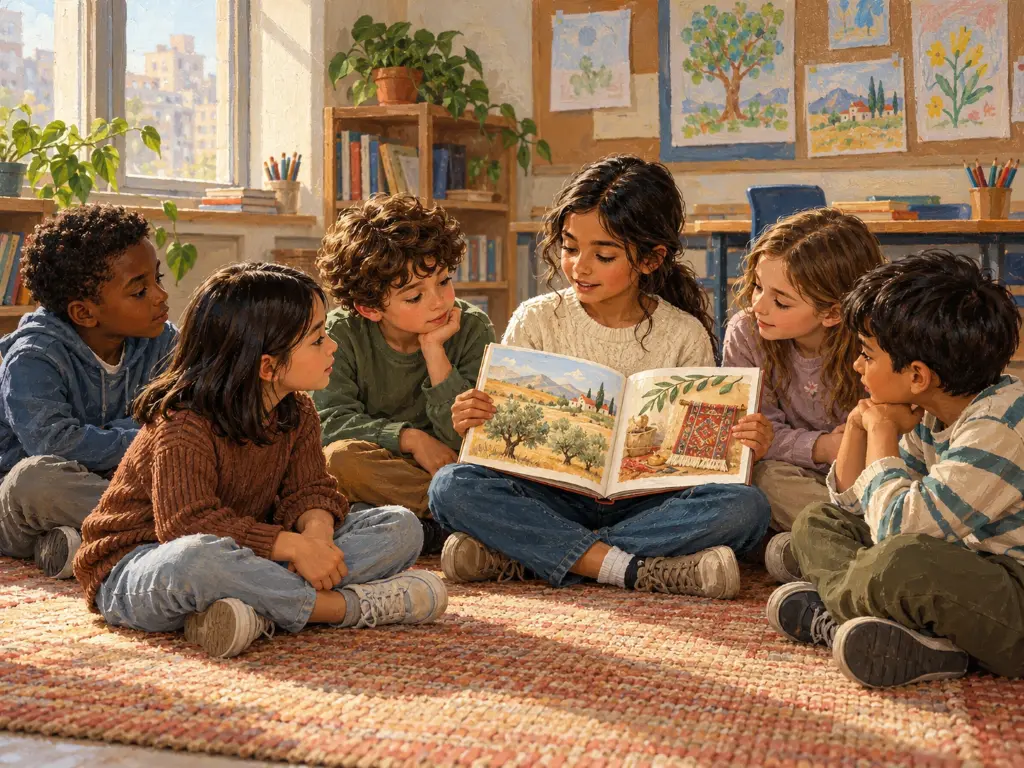
The skyline is different. The language at school is different. On Monday morning this child takes a book to show-and-tell and opens it. Nothing needs defending. Here is a story from where my family comes from.
Holding an honest story from their own soil, a child needs no defence, only the quiet joy of sharing it with classmates.
02 · The Intergenerational Family
At One Kitchen Table
A Shared Story Across Generations
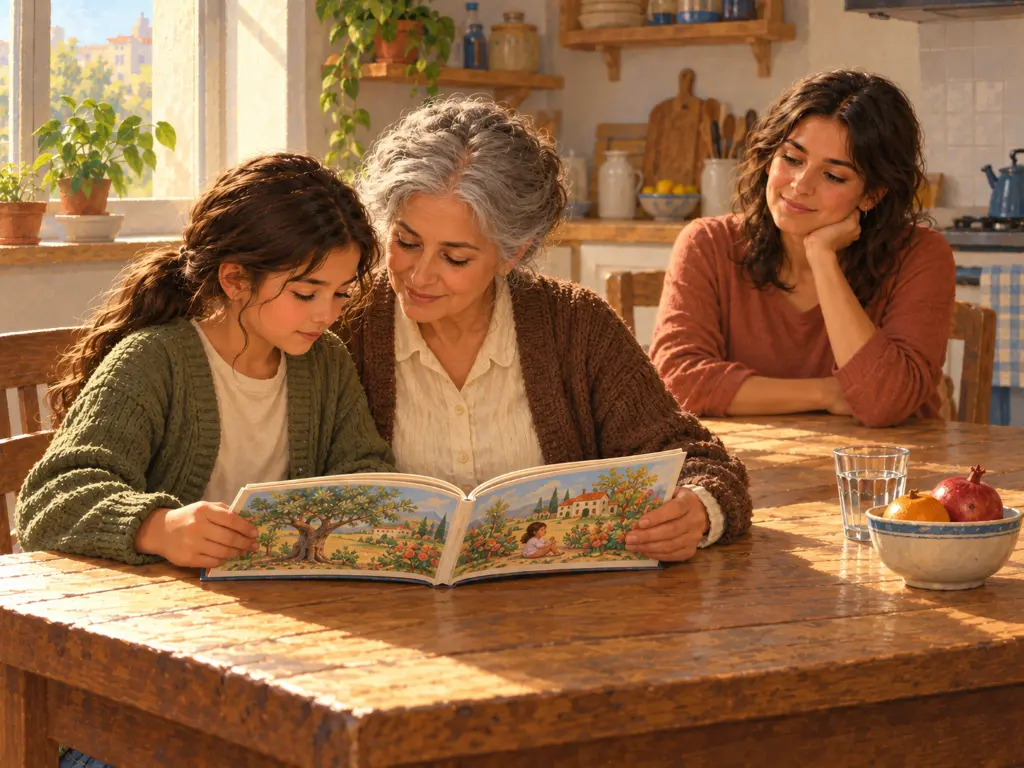
The child holds the English edition. Anane holds the Turkish one. They turn the pages at different speeds. The words differ. The story is the same.
The English edition in the child’s hands, the Turkish edition in Anane’s lap: two languages meeting across one table.
03 · The Global Classroom & Library
A Shelf That Needs These Books
Multicultural Classrooms and Libraries
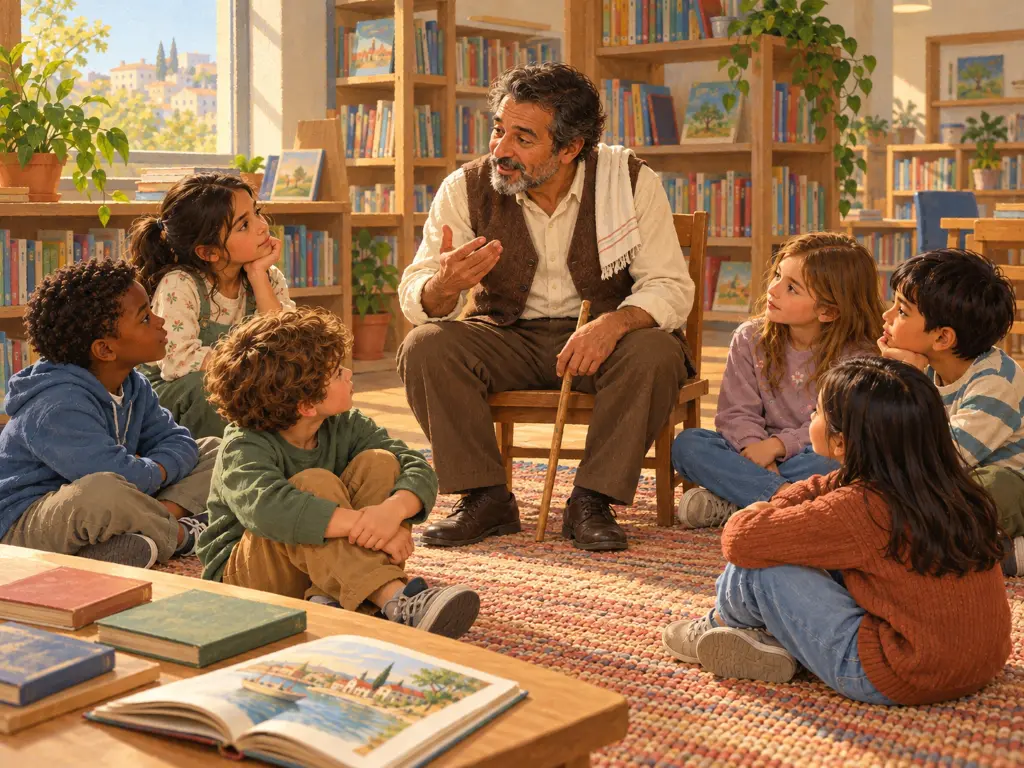
Teachers and librarians look for picture books about real places, real work and real seasons. These five are set in the Taurus foothills, on a Black Sea harbour and beside a lake with a stork village. Each is referenced to ACARA V9 and comes with questions for class discussion.
When a bridge connects the kitchen table and the classroom desk, a child stands quietly grounded in their own story.
IngramSpark Global Print on Demand · Printed Near You
Printed Near You,
Posted to Your Door
Your copy is printed at a regional facility after you order it, then posted to your door. From Sydney to London, Toronto to Los Angeles. Books are printed to order, so nothing is printed that nobody asked for.
🇦🇺Manufactured on Demand (POD)
Australia & New Zealand
Melbourne (Scoresby) Hub
Printed in Australia by Lightning Source (Scoresby, VIC) and posted by Australia Post. No import duty.
2–4 Business Days
Tracked Regional Delivery
🇺🇸Manufactured on Demand (POD)
United States
Tennessee & Pennsylvania Hubs
Printed in the US and sent by USPS or FedEx to homes, schools and libraries.
3–5 Business Days
Tracked Regional Delivery
🇬🇧Manufactured on Demand (POD)
United Kingdom
Milton Keynes Hub
Printed in the UK and sent by Royal Mail across England, Scotland and Wales.
2–4 Business Days
Tracked Regional Delivery
🇨🇦Manufactured on Demand (POD)
Canada
North America Dispatch
Printed in the US and sent by Canada Post to all Canadian provinces with tracking.
3–5 Business Days
Tracked Regional Delivery
70 lb Archival Paper
How Print on Demand Works
A file goes to a printer in your region. The printer makes your copy. It is posted to you. Less stock sits unsold, and fewer books travel by sea.
Questions & Clarifications
Questions & Clarifications
Answers about the two editions, print specifications and delivery.
Each work is published as two standalone single-language volumes (one in English, one in Turkish). Rather than compressing dual-language text side-by-side onto one page, we provide two complete, dedicated editions so children immerse fully in each language. The Dual Language Set includes both volumes.
Each book is an 8.5" × 8.5" (216 × 216 mm) square softcover with 40 full-colour pages (20 spreads). Inside pages are printed on 70 lb (~105 gsm) acid-free archival paper. Books are printed on demand by IngramSpark in Australia (Scoresby), the UK (Milton Keynes), and the US (Tennessee & Pennsylvania) and posted directly to your door, eliminating warehouse surplus.
The series is structured for ages 5–12 and family co-reading across three developmental tiers (Bruner spiral model): ages 5–7 for visual immersion and rhythmic read-alouds; ages 8–10 for independent reading and cultural motifs; and ages 11–12+ and adults for philosophical inquiry (P4C) and intergenerational dialogue.
Single volumes are priced at $25 AUD, and the Dual Language Set (both Turkish and English volumes) is $40 AUD. Inaugural orders dispatch from regional facilities in January 2027. You may cancel unconditionally for a 100% full refund at any time prior to physical dispatch.
A patronage initiative allowing families and organisations to gift bilingual book sets to public classrooms, weekend language schools, and public libraries in Australia, the UK, the US, and Canada. Each sponsored volume carries a permanent family or organisation dedication bookplate.
✦Have another question? Reach out to our studio team at: contact@storiesofanatolia.com